
Will Attorney in Lakeland
Over 25 Years of Legal Experience for Your Florida Will
A last will and testament does more than distribute property. It can name a personal representative to manage your estate, express your preference for a guardian for minor children, and give your family a clear path forward during an already difficult time. Without one, Florida’s intestate succession statutes decide how covered property is distributed, and the outcome may not match what you intended. I draft wills for Lakeland and Polk County families that reflect their current wishes.
At Advocate Law Firm, P.A., I’ve spent more than 25 years helping clients navigate family law and estate planning. My practice serves Polk, Hillsborough, and Osceola counties, and I offer consultations in both English and Spanish. I also offer a free initial consultation to get you started.
Call me at (863) 644-5566 to schedule your free consultation.
Why Work with a Will Lawyer Serving Lakeland?
Working with a Florida attorney can help you account for state law, including Florida’s execution formalities, homestead property rules, and probate administration considerations. Generic online templates can’t account for your particular circumstances or supervise how a document is signed. I provide personalized will drafting that reflects your family structure, asset types, and the people you want to care for your estate.
I bring more than 25 years of family law experience to every estate planning case. That background informs will planning after divorce, remarriage, parenthood, or changes in custody. I explain each step so you can make informed decisions about your family and property.
Florida’s Requirements for a Valid Will
Florida’s rules for executing a valid will are set out in Fla. Stat. § 732.502. A document that misses required signing or witnessing formalities can create avoidable issues when it is offered for probate administration. The following is general information, and how these rules apply depends on the document and circumstances.
The core requirements under Fla. Stat. § 732.502 include:
- Age and capacity: Under Fla. Stat. § 732.501, the person making the will must be at least 18 years old and meet Florida’s legal standard for testamentary capacity.
- Written document: Florida doesn’t recognize oral wills or holographic wills. The will must be a written, signed document.
- Testator’s signature: The testator must sign at the end of the will, or direct another person to sign on their behalf while present.
- Two witnesses: At least two witnesses must sign the will in the presence of the testator and in the presence of each other.
- Beneficiary as witness: Under Fla. Stat. § 732.504, a beneficiary who serves as a witness doesn’t void the will, and their inheritance isn’t reduced or forfeited solely because they witnessed it. Using disinterested witnesses can help avoid unnecessary concerns about the signing process.
A self-proving affidavit is a notarized acknowledgment by the testator and affidavits from the witnesses that can affect how witness testimony is handled during probate. Under Fla. Stat. § 732.503, it may be completed when the will is executed or at any subsequent date before an authorized officer. It doesn’t replace the execution requirements for the will itself. If your circumstances change after signing, a codicil can amend your will, but it must be executed with the same formalities as the original under Fla. Stat. § 732.502.
Creating Personalized Wills That Reflect Your Wishes
I draft wills around each client’s circumstances, including provisions for minor children, property distribution, charitable gifts, and the people trusted to carry out the client’s wishes.
Designating a personal representative, the person responsible for managing the estate and carrying out its terms through the probate process, is a key decision in will drafting. Naming a guardian for minor children is another. I walk you through both decisions, along with options for specific bequests of personal property, charitable gifts, and testamentary trusts for minor beneficiaries. A testamentary trust is created through the will and can set terms for property intended for a minor beneficiary.
Bilingual Will Planning Services
Estate planning documents should be understood by the person signing them. I offer consultations and services in both English and Spanish, so you can discuss your decisions and review your documents in your preferred language.
From the initial consultation through will-execution preparation, I communicate in whichever language makes the process clearest for you.
SEE WHY PEOPLE CHOOSE ADVOCATE LAW
At Advocate Law Firm, P.A., your satisfaction is our priority! See for yourself what our clients have to say about working with us.
-
"First Class Operation"First Class Operation- W.S.
-
"Excellent Staff"Excellent Staff- A.L.
-
"Nothing short of extraordinary!"Nothing short of extraordinary!- G.S.
-
Personal Attention For Every Client
-
A Full Service Law Firm
-
More Than 25 Years of Experience
-
We Fight Tirelessly For Every Client
-
Virtual Consults Available
Wills & Family Law Transitions in Polk County
For clients going through divorce, remarriage, or new parenthood in the Lakeland area, reviewing or creating a will can be an important step alongside a family law case. Because I handle both family law and estate planning, I can address those needs together.
Under Fla. Stat. § 732.507(2), a divorce in Florida generally voids will provisions that affect a former spouse. The will is then read as if the former spouse had predeceased the testator. That rule doesn’t update the rest of the document, and it doesn’t address other beneficiaries or fiduciary appointments that may no longer reflect your wishes. A review after divorce can help identify whether changes are needed, and how the statute applies depends on the facts of your situation.
Guardian nominations for minor children deserve particular attention whenever custody arrangements change. A will that names a guardian under one custody structure may not reflect your current wishes if that structure has since been modified. Florida’s elective-share rules can also give a surviving spouse rights in an estate despite will provisions, which may be relevant to married clients and blended families.
I have more than 25 years of experience working with families through these transitions. Whether you’re updating a will after a divorce or creating one for the first time after welcoming a child, I can review how your current family circumstances affect your estate-planning decisions.
Frequently Asked Questions
These answers address common questions about reviewing or creating a will after family changes or a move to Florida.
Should I Update My Will after Divorce or Remarriage?
Yes, a review is advisable after either change. Under Fla. Stat. § 732.507, provisions affecting a former spouse are generally void after a Florida divorce, but other provisions, beneficiaries, and personal representative appointments may still need attention. A remarriage can also affect your intended distribution and other estate-planning decisions.
Should I Make a Will after Having a Child?
Yes. Having or adopting a child is an important reason to create or review a will. You can express your preference for a guardian and make provisions for property intended for your child. A court retains authority over guardianship decisions, and the right approach depends on your family’s circumstances.
Should I Review an Out-of-State Will in Florida?
Yes. A will validly executed in another state may be recognized in Florida, but Florida law can affect probate administration, homestead property, family circumstances, and other planning issues. A review can help you determine whether the document still fits your wishes after a move or other life change.
How Does a Living Will Differ from My Last Will?
A last will and testament addresses property distribution and estate administration after death. A living will is a health-care document that expresses certain treatment preferences during your lifetime if you can’t communicate those decisions yourself. These documents serve different purposes and may both be part of an estate plan.
Draft or Update Your Florida Will
If you need a first will or need to update an existing document after a family or financial change, schedule a free initial consultation. I can discuss your circumstances and help you identify whether a new will, an update, or a broader estate-planning review may fit your needs.
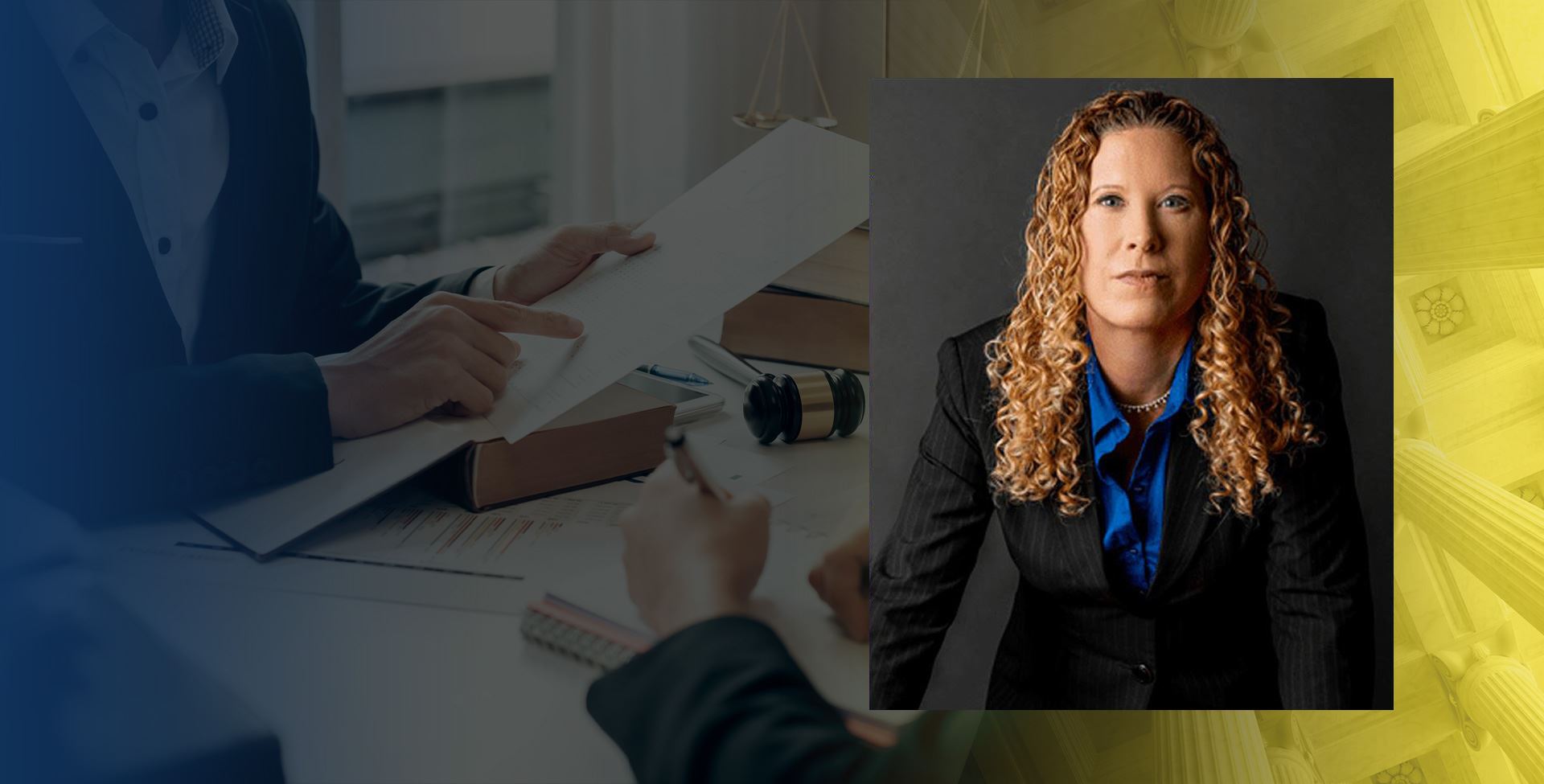
I’m Melissa A. Wilson, founder of Advocate Law Firm, P.A.. I serve clients in Polk, Hillsborough, and Osceola counties in English and Spanish.
Call (863) 644-5566 or contact us online to schedule your free consultation with Advocate Law Firm, P.A. today.



-
Collaborative Divorce
If you and your future ex-spouse hope to avoid traumatic court disagreements, collaborative divorce is for you.
-
Don't Do It Alone
Having an attorney in your corner throughout a divorce can help you reach an agreeable resolution faster and easier.
-
Meet Our AttorneysI, Melissa A. Wilson, don't back down from a challenge. I have the passion, experience, and drive that you need.
-
Common Questions
I understand that divorce law can be confusing and want to provide the resources you need to stay informed.