
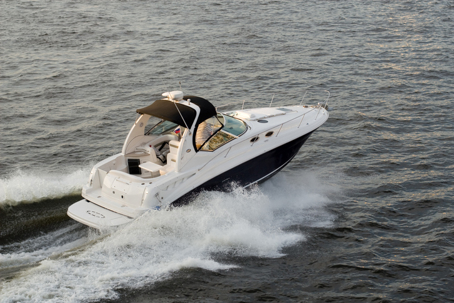
Florida's lakes and waterways are a big part of life here — and for good reason. But a fun day on the water can change in an instant. If you were hurt as a passenger in a boating accident, you may be wondering who is responsible and whether you have the right to take legal action. The short answer is yes — and understanding how that process works can make a real difference in your recovery.
If you were hurt as a boat passenger and need answers now, call (863) 644-5566 or reach out through our online contact form — do not wait to protect your rights.
What It Means to Be a Boat Passenger in a Legal Case
As a passenger on a boat, you did not control the vessel. You trusted the operator to keep you safe. That trust comes with legal weight — boat operators in Florida have a legal duty to act with reasonable care toward everyone on board.
When an operator fails to meet that duty, and someone gets hurt, the law may hold them responsible. This is the foundation of a personal injury claim following a boating accident.
The Boat Operator's Duty of Care
A "duty of care" simply means a person is expected to act reasonably to avoid harming others. For a boat operator, this includes following speed limits, staying alert, and following all applicable boating laws.
Florida law holds boat operators to specific safety standards. Violating those standards — such as speeding in a no-wake zone or operating under the influence — can serve as strong evidence of negligence. Negligence means someone failed to act with the care that a reasonable person would have used in the same situation.
Common Causes of Boating Accidents That Injure Passengers
Not every accident is caused by the same mistake. However, many passenger injuries stem from a handful of recurring issues that point directly back to operator error.
Here are some of the most common causes of boating accidents that result in passenger injuries:
* Operating a boat while under the influence of alcohol or drugs
* Speeding or traveling too fast for the weather or water conditions
* Reckless or careless boat handling
* Failure to keep a proper lookout for other vessels or hazards
* Ignoring posted no-wake zones or restricted areas
* Operating a boat without proper training or licensing
* Equipment failures caused by poor maintenance
If any of these factors played a role in your injury, you may have a valid claim against the operator. Identifying the cause is one of the first steps an attorney will take when reviewing your case.
What Negligence Looks Like on the Water
Proving negligence in a boating accident case requires showing four things: that the operator had a duty to keep you safe, that they failed to fulfill that duty, that their failure caused your injury, and that you suffered real harm as a result. Each of these pieces needs to be backed up with evidence.
Evidence can include witness statements, accident reports filed with the Florida Fish and Wildlife Conservation Commission, photos from the scene, and medical records. Having this documentation organized and preserved early can significantly strengthen your case.
Can You Sue the Boat Operator If You Know Them?
Yes — and this is a question many injured passengers hesitate to ask. In many boating accidents, the operator is a friend, family member, or acquaintance. That relationship can make the idea of filing a claim feel uncomfortable.
Keep in mind that in most cases, a personal injury claim is directed at the operator's insurance policy — not at their personal bank account. Florida law requires most motorized vessels to carry liability insurance, which exists precisely to cover situations like these. You are not necessarily going after someone's personal savings; you are making a claim through the appropriate insurance channel.
What Damages Can an Injured Boat Passenger Recover?
"Damages" is a legal term that refers to the money a person may be entitled to receive after being injured by someone else's negligence. For boat passengers, this can cover a wide range of losses.
Compensation in a boating accident case may include:
* Medical bills, including emergency care, surgery, and follow-up treatment
* Future medical costs if ongoing care is needed
* Lost wages if your injury kept you from working
* Loss of future earning capacity if your ability to work has been permanently affected
* Pain and suffering, including emotional distress and reduced quality of life
* Out-of-pocket costs related to your injury and recovery
These damages can add up quickly, especially when serious injuries are involved. Working with an attorney helps make sure nothing is overlooked when calculating the full impact of your injuries.
Florida's Statute of Limitations for Boating Accident Claims
A statute of limitations is a deadline set by law that limits how long you have to file a personal injury claim. In Florida, you generally have two years from the date of your injury to file a claim for a boating accident. Missing this deadline can mean losing your right to recover compensation entirely.
Time also matters for another reason — evidence disappears. Witnesses forget details, accident scenes change, and records become harder to obtain. Acting quickly gives your case the best possible foundation.
What to Do After a Boating Accident as a Passenger
If you were hurt on the water, the steps you take in the hours and days that follow matter. Here is a general roadmap:
Seek medical attention right away, even if your injuries seem minor. Some injuries — like concussions or internal trauma — do not always show up immediately. Report the accident to the Florida Fish and Wildlife Conservation Commission if it has not already been reported. Gather as much information as you can, including the name and insurance information of the operator, contact information for any witnesses, and photos of the scene. Then, speak with a personal injury attorney before giving any recorded statements to an insurance company.
Insurance adjusters — the people who work for the insurance company to evaluate claims — are trained to look for ways to minimize what they pay out. Having legal guidance before those conversations happen can make a real difference.
How Florida's Comparative Fault Rule Could Affect Your Case
Florida follows a legal rule called "comparative fault," which means that if you were found to be partially responsible for your own injuries, your compensation could be reduced by your percentage of fault. For example, if a court finds you were 20% responsible, your recovery would be reduced by 20%.
This rule sometimes leads insurance companies to argue that a passenger contributed to the accident in some way. A knowledgeable attorney can help push back against attempts to unfairly shift the blame onto you.
Talk to a Lakeland Personal Injury Attorney About Your Boating Accident Case
Being hurt on the water is disorienting, painful, and often financially overwhelming. The good news is that Florida law gives injured boat passengers real options, and you do not have to navigate those options alone.
Advocate Law Firm, P.A. is here to help you understand your rights, evaluate your claim, and move forward with a clear plan. Whether you were injured on a lake, a river, or any other waterway, a Lakeland personal injury attorney at our firm is ready to listen and help you figure out your next steps. Call us today at (863) 644-5566 or complete our online contact form to schedule a consultation.