
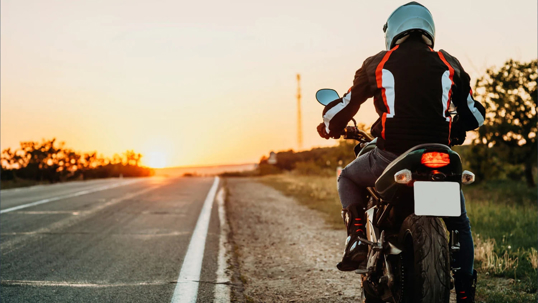
If you ride a motorcycle in Bartow, you already know that a sunny Florida afternoon can turn into a slick, stormy mess in just a few minutes. One moment, the pavement looks dry and predictable, and the next, you are dealing with standing water, gusty wind, and drivers who panic and slam on their brakes. That kind of sudden change feels very different on two wheels than it does in a car.
Many riders do not realize that those dramatic summer storms are only one piece of Bartow seasonal riding. Winter can bring heavier traffic and more distracted drivers. Spring can leave pollen and debris on the road, and fall shortens the usable daylight for your commute. Each of these shifts changes how safe it feels to ride and how a crash is viewed if someone gets hurt.
For more than two decades, I have helped families in Polk County handle the legal fallout from serious life events, including motorcycle crashes that suddenly affect income, parenting schedules, or living arrangements. I see how our local seasons show up in police reports, insurance decisions, and family law cases. In this guide, I want to share what I have learned about Bartow seasonal riding so you can ride more safely and make informed choices if a crash starts to impact your family.
Injured in a motorcycle crash in Bartow or dealing with the legal impact on your family? Contact Advocate Law Firm, P.A. or call (863) 644-5566 to discuss your situation.
Why Bartow Seasonal Riding Is Not The Same Year-Round
People often talk about Florida as if it has one long season, warm and sunny all year. From a rider’s perspective around Bartow, that picture is misleading. We may not deal with snow or ice, but the pattern of heat, humidity, rain, and traffic changes several times a year. Those changes are predictable, and they matter a lot when your only contact with the road is two small tire patches.
In the warmer, wetter months, the big concern is traction. When a dry stretch ends and we get the first strong rain, the oil and grime that have built up on the asphalt rise to the surface. That film sits between your tire and the road and cuts down grip, especially at intersections and on well-traveled routes. Sudden downpours also create standing water that can make a light motorcycle feel unstable if you hit it at the wrong speed or angle.
Visibility moves up and down with the seasons, too. Summer storms reduce sightlines, and spray from trucks can hide a bike completely. In other parts of the year, glare from a low sun or early darkness makes it harder for drivers to judge their speed and distance. From a legal standpoint, these are not random surprises. Courts and insurers expect drivers to slow down, increase following distance, and take extra care when they know local conditions change like this every year.
When I evaluate a crash that happened in or around Bartow, I look at the time of year and day, the weather, and traffic patterns as part of the picture. These details often explain why a driver did not see a motorcycle or why stopping was harder than usual. They can also show that another driver failed to adjust to conditions that every local resident should expect.
Summer Storms & Slick Roads: How Warm Months Affect Bartow Riding
From late spring through early fall, afternoon thunderstorms are part of daily life in central Florida. You can leave Bartow under blue skies, ride toward Lakeland, and run into a wall of rain on the way back. For riders, that means changes in traction and visibility that can happen faster than you can finish a short errand.
In the first minutes of a summer shower after a dry spell, water mixes with oil and rubber dust that have settled into the pavement. This thin layer can be very slick in certain spots, especially at intersections where cars stop and start all day. Crosswalk paint, metal plates, and manhole covers are even more slippery when they get wet. Your tires have less friction, so it takes more distance to slow or stop, and sudden braking or sharp lean angles can cause a loss of control.
Heavy rain also changes what you and other drivers can see. Spray from SUVs and trucks can blind you for a moment. Windshield wipers and fogged glass cut into drivers’ reaction time. At 40 or 50 miles per hour on a wet road, even a small delay in reaction can be the difference between a close call and a serious collision. Some drivers respond by tailgating to “follow the lights ahead,” and others keep driving as if the road were dry.
You can reduce some of this risk by adjusting how and when you ride. In the warm months, watch the forecast and radar before longer trips, and build in extra time in case you need to pull off and wait out a cell. On the road, leave more space in front of you than you think you need, avoid hard braking on painted or shiny surfaces, and ride in the tire tracks cars have left, where water tends to be shallower. If you see a dark, glassy patch of pavement, assume traction is poor and treat it gently.
When a crash happens in a storm, insurers often try to point to the rain and say it was just bad luck or that the rider should not have been out there. In reality, Florida drivers know that summer storms are part of daily life. They are expected to slow down, keep a proper lookout, and follow at a safe distance anyway. When I work with clients whose crash happened during one of these storms, I look closely at weather reports, road conditions, and driver behavior. Those details can show that a driver had every opportunity to act carefully and did not.
Tourism, Traffic, & Winter Riding Challenges In Bartow
While the rest of the country deals with snow, central Florida often feels its busiest on the roads. Cooler months bring visitors, snowbirds, and seasonal events that increase traffic across Polk County and the surrounding area. Even if Bartow itself feels quieter than nearby cities, you probably see the difference on major routes and at busy intersections.
More vehicles mean more chances for conflict, especially when many of those drivers are unfamiliar with local roads. Rental cars drift as drivers search for turns or GPS directions at the last minute. Out-of-town visitors may not realize how quickly a motorcycle can close a gap or may misjudge your speed when you are approaching in a smaller profile. This kind of misreading is a common factor when a driver turns left across a rider’s path or changes lanes into a bike.
Heavy winter traffic also increases stop-and-go conditions. Rear-end collisions become more common, and motorcyclists are at greater risk in those situations. A light tap that might be a minor bumper dent between two cars can be a serious incident when you are on a bike. Drivers who are tired from travel, distracted by their passengers, or focused on unfamiliar landmarks have less attention available to notice a motorcycle slowing in front of them.
To ride more safely in these months, it can help to assume that other drivers do not see you and do not know where they are going. Leave extra space when you follow cars that look hesitant, avoid lingering in blind spots, and give yourself large gaps before crossing intersections. When possible, adjust your timing so you are not on the busiest roads during peak tourist or event hours, especially on main corridors that carry visitors through Polk County.
From a legal standpoint, a visiting driver’s lack of local knowledge does not excuse careless behavior. They still have the same duty to check mirrors, signal, and yield the right of way. When I review a crash involving an out-of-town driver, I pay attention to whether they had enough time and space to see the motorcycle if they had been watching carefully. That analysis matters not only for any injury claim, but also for the family law questions that often follow, like how a sudden loss of income or ability to work affects support obligations.
Spring Pollen, Debris, & Changing Light Conditions
Spring in and around Bartow may feel mild compared to other parts of the country, but it brings its own set of riding challenges. Trees drop pollen and small leaves, homeowners and landscaping crews blow debris into the street, and certain shaded spots stay damp longer after a rain. All of that creates scattered patches where your tires have much less grip than the clean pavement around them.
Loose material, such as pollen, sand, or small leaves, acts like tiny ball bearings between rubber and asphalt. On a straight road, you might not notice much difference, but if you brake hard or lean over on one of those patches, your tires can slide instead of bite. Residential streets, shaded curves, and areas near construction or yard work are often the most affected. Because these hazards are spotty, they can catch even experienced riders off guard.
Spring can also bring tricky lighting conditions. During certain weeks, the sun sits low in the sky during common commute times. Drivers turning west in the late afternoon may be looking straight into glare and see very little detail in front of them. At the same time, a rider heading toward that driver may be backlit or partly hidden in the contrast. That combination can turn a routine left turn into a dangerous situation.
As a rider, you can respond to these spring issues by reading the pavement closely and planning your moves. If you see a light colored or dusty-looking patch ahead, treat it as a low-traction zone and avoid sudden inputs while you cross it. When you know you will be riding into heavy sun glare, try to choose routes with more predictable traffic and fewer complex intersections, and give yourself an out if a driver in front of you stops suddenly.
From a responsibility perspective, sun glare or scattered debris is not an automatic excuse for a driver who hits a motorcycle. Drivers still need to slow down and adjust to what they can and cannot see. In serious crashes, witness statements, photos, and even the position of the sun at the time of day can help build a clear picture of what a careful driver should have done. Those facts can be very important when we look at how a crash will affect financial responsibilities between parents or former spouses.
Fall, Shorter Days, & Night Riding Risks In Bartow
As summer fades, the temperature may become more comfortable for riding, but daylight becomes shorter. Many riders who commute through Bartow find that they leave home in dim morning light and head back in the dark. That change often happens faster than people expect, and it has a direct impact on how visible you are to others.
Human eyes do not adjust instantly to changing light. At dusk, drivers can struggle to see detail as they move from bright areas to darker ones, or from open roads into tree-covered stretches. Street lighting may be sparse or uneven, and headlight glare from oncoming vehicles can further reduce contrast. A motorcycle, with a smaller light signature and narrow profile, is easier to overlook in these conditions than a larger vehicle.
Clothing and gear choices also matter more in the fall and winter rides. Dark jackets, helmets, and bikes blend into the background at night. Reflective materials, auxiliary lighting that is legal and properly aimed, and positioning your bike where it is framed against other lights or lighter backgrounds can make a real difference. Even with those steps, you should assume that many drivers simply are not looking for motorcycles in their mirrors or at side streets.
Safe night riding in and around Bartow usually means slowing your pace and leaving more margin for others’ mistakes. Avoid riding too close to vehicles that weave or drift, especially near busy areas with bars or restaurants. Be cautious at intersections where cross traffic may try to beat a yellow light, and be ready for pedestrians or cyclists who are hard to see.
When a nighttime crash reaches a courtroom or negotiation table, there are often questions about lighting and visibility. Was the intersection lit? Were the headlights working? Did the driver have a reasonable chance to see the motorcycle before turning or changing lanes? These questions do not have automatic answers, but they shape how responsibility is shared. Understanding these factors helps me explain to clients why a case is evaluated a certain way and what that might mean for their financial and family planning.
Common Seasonal Crash Scenarios Bartow Riders Face
When you put all of these seasonal patterns together, certain crash scenarios show up again and again around Bartow and across Polk County. Understanding how they happen can help you both avoid them and recognize when another driver’s decisions, not just the weather, played a key role.
One common situation is the summer storm left-turn crash. A rider is traveling straight through an intersection in a heavy downpour. Visibility is poor, and the road is slick from fresh rain. A driver coming the other way decides to turn left across the lane, thinking the motorcycle is farther away or moving slower than it is. With less traction, the rider cannot brake as hard as they could on dry pavement and either collides with the car or lays the bike down. In that scenario, the storm is a factor, but the driver still had a duty to wait until the path was clear.
Another frequent pattern in tourist season is the rear-end collision in slow traffic. A rider is stopping with the flow of cars on a busy road as vehicles bunch up near a light or event entrance. A distracted or unfamiliar driver looks away for a moment, then glances back and realizes traffic has stopped. Even at low speed, a sudden impact into the back of a motorcycle can cause serious injury. Drivers are expected to maintain a safe following distance, and that expectation does not vanish because they are new to the area.
Nighttime intersection crashes also become more common in the fall and winter. A driver waiting to turn right on red looks left, sees a gap in the headlights, and pulls out, not noticing a motorcycle whose single headlight blends with others in the background. The rider has little time to react and may not be able to stop in time. Here, lighting, contrast, and driver attention all play roles, but the basic rule is the same: drivers must make sure the way is actually clear before moving.
In each of these examples, seasonal conditions raise the level of difficulty for everyone on the road. They never remove the responsibility to act with reasonable care. When I analyze crashes like these, I look at speed estimates, lane positions, sightlines, and the timing of signals. I also compare what happened to what a reasonably careful driver should have done, given what they could see and what they should have expected in that season.
The impact of these crashes does not stop at the roadside. A serious injury can mean missed work, medical bills, and long-term changes in what a parent can physically do with their children. That often leads directly into family law questions, such as whether child support needs to be adjusted, how parenting time can be managed safely, or how to handle shared bills when one person cannot work the same hours as before.
How A Motorcycle Crash Can Affect Your Family Law Case
From a family law perspective, a motorcycle crash tied to seasonal conditions is not just an insurance issue. It can change the financial and practical foundation of your life. If you are paying or receiving child support or alimony, or if you share custody of your children, a sudden injury can affect all of those arrangements.
One of the first questions that comes up after a serious crash is income. If you are out of work or working fewer hours while you recover, you may struggle to make support payments that were based on your old earnings. If you depend on support from the other parent or former spouse, and they are the one who is injured, you may be facing a sudden shortfall in the money you use for rent, food, and childcare. Florida law allows for modifications in some situations, but the process takes planning and clear documentation.
Physical limitations and safety concerns also matter. If a crash leaves you with chronic pain, mobility problems, or medical appointments several times a week, the parenting schedule that worked before may not be realistic. In some cases, a parent may argue that the other’s injuries or ongoing riding habits raise safety issues for the children. These are sensitive questions, and they require careful, fact-based discussion rather than assumptions or blame.
When I work with families facing these challenges, I look at the full picture. That includes medical records that describe your condition, work records that show changes in hours or income, and any information about the crash itself that may affect insurance recoveries. I then help you decide whether to seek a modification of support, how to structure a parenting plan that fits your new reality, and how to present your situation to the court in a clear, grounded way.
Addressing these issues early usually gives you more options. Waiting until you are behind on support or missing parenting time because of medical needs can make everything harder. My role is to guide you step by step through the legal process so that the seasonal conditions that contributed to a crash do not control the rest of your family’s story.
Planning For Safer Bartow Seasonal Riding
You cannot change Florida’s weather or the way tourists drive, but you can plan around Bartow’s seasonal patterns. That planning starts with paying attention to the calendar as much as the forecast. In the summer, that may mean building extra time into your schedule to avoid riding through the worst of the afternoon storms. In the winter, it may mean choosing routes that give you more room to escape mistakes by unfamiliar drivers.
Gear and timing matter too. As daylight shrinks, think about reflective clothing and lighting that makes you easier to pick out in traffic. In pollen and debris season, expect lower traction on certain streets and ride accordingly. Share this awareness with your family as well, especially if you have regular obligations like school pickups, exchanges, or court dates. When everyone understands the risks, it is easier to set realistic expectations and support one another.
Even with careful planning, some crashes cannot be avoided because you do not control other drivers. Seasonal conditions may become part of the story that insurance companies use to argue about fault or payment. They may also be part of the reality that shapes your ability to work, care for your children, and meet your financial obligations. You do not have to sort those issues out by yourself.
At Advocate Law Firm, P.A., I focus my practice on helping families in Polk, Hillsborough, and Osceola County navigate the legal side of major life changes. That includes English and Spanish-speaking clients whose lives have been altered by a motorcycle crash in any season. If Bartow seasonal riding has already led to an accident that is affecting your divorce, support, or custody situation, we can talk about what comes next for your family.
Talk With A Family Law Attorney Who Understands Bartow Seasonal Riding
Bartow’s riding seasons bring both freedom and risk. Sudden storms, tourist traffic, shifting daylight, and road debris all change how safe the road feels and how responsibility is viewed when a crash happens. Understanding those patterns can help you ride more confidently and recognize when another driver, not just the weather, contributed to what happened.
If you are now facing questions about child support, alimony, or parenting time because a seasonal motorcycle crash changed your health or income, I can help you sort through the legal options. We can look at how the crash happened, how it affects your day-to-day life, and what steps make sense to protect your rights and your family’s future.
If a motorcycle accident is affecting your finances, custody, or support obligations, reach out to Advocate Law Firm, P.A. or call (863) 644-5566 to review your legal options.